Coleman v. Parkland School District (2025)
Summary:
The Pennsylvania Supreme Court justices held that the Parkland School District (“District”) did not violate Pennsylvania’s Sunshine Act when it approved a collective bargaining agreement that was not included in the District’s pre-meeting agenda notice. Whereas the Sunshine Act generally requires a 24-hour public notice of all items of agency business, the District properly took official action on the collective bargaining agreement because it took a separate majority vote pursuant to one of four exceptions to the notification requirement.
The Verdict:
By approving a collective bargaining agreement without public notice, the District arguably exploited the Sunshine Act’s “majority vote” exception and disregarded the policy concerns animating the Sunshine Act. However, the Pennsylvania Supreme Court observed its judicial role, strictly interpreting the Sunshine Act and applying it as written. Shortly after the Supreme Court’s decision, the General Assembly was already considering a bill that would legislatively address the majority vote exception.
Background:
Jarrett Coleman, a Pennsylvania lawmaker and District taxpayer, filed suit against the District after it approved a collective bargaining agreement with a teacher union at a public meeting without providing the requisite 24-hour public notice. The District claimed that the Sunshine Act allowed governmental bodies to take official action on the collective bargaining agreement without notice, as long as it took a separate majority vote, pointing to statutory language that seemed in conflict with the purpose of the Sunshine Act. In response, Coleman argued that the Sunshine Act’s “majority vote” language was a mere procedural mechanism that government entities must follow when claiming an exemption.
Justice Donohue, writing for the majority, rejected Coleman’s argument. Instead, the Court determined that the “majority vote” language was one entry on a list of exceptions connected by the disjunctive “or.” Therefore, the text and structure of the Sunshine Act dictate that a government body can address a business item not listed in the 24-hour notice provided it takes a separate majority vote prior to doing so.
Justice Brobson concurred in the majority’s judgment but wrote separately to emphasize that the General Assembly’s use of unambiguous language when setting forth the majority vote exemption constrained the Court to interpret the Sunshine Act as written, even when the result seems absurd. He noted that the majority vote exemption appears exceedingly broad but that it was the General Assembly’s job—not the courts’—to address.
In their respective dissenting opinions, Chief Justice Todd and Justice Wecht argued that the Court should have interpreted the “majority vote” language in a manner consistent with the overarching intent of the Sunshine Act. Whereas Justice Wecht would have determined that the statutory language was ambiguous, allowing the Court to discern its meaning despite its choice of language, Chief Justice Todd would have relied on a “rarely used, but extremely powerful” provision within the Statutory Construction Act forbidding courts from construing statutes in a manner “inconsistent with the manifest intent of the General Assembly” (1 Pa.C.S. § 1901).
Opinions:
Majority Opinion (Hon. Christine Donohue, joined by the Hon. Kevin M. Dougherty and Hon. Sallie Updyke Mundy)
Concurring Opinion (Hon. P. Kevin Brobson)
Dissenting Opinion (Chief Justice Debra Todd)
Dissenting Opinion (Hon. David N. Wecht, joined by the Hon. Daniel D. McCaffery)
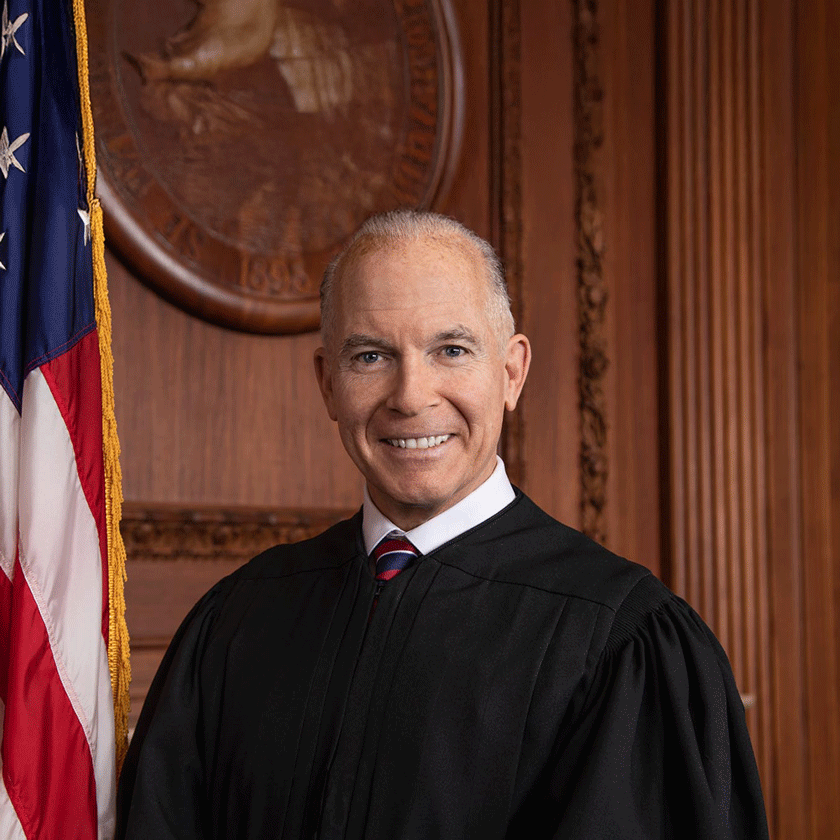
Respected Judicial Role
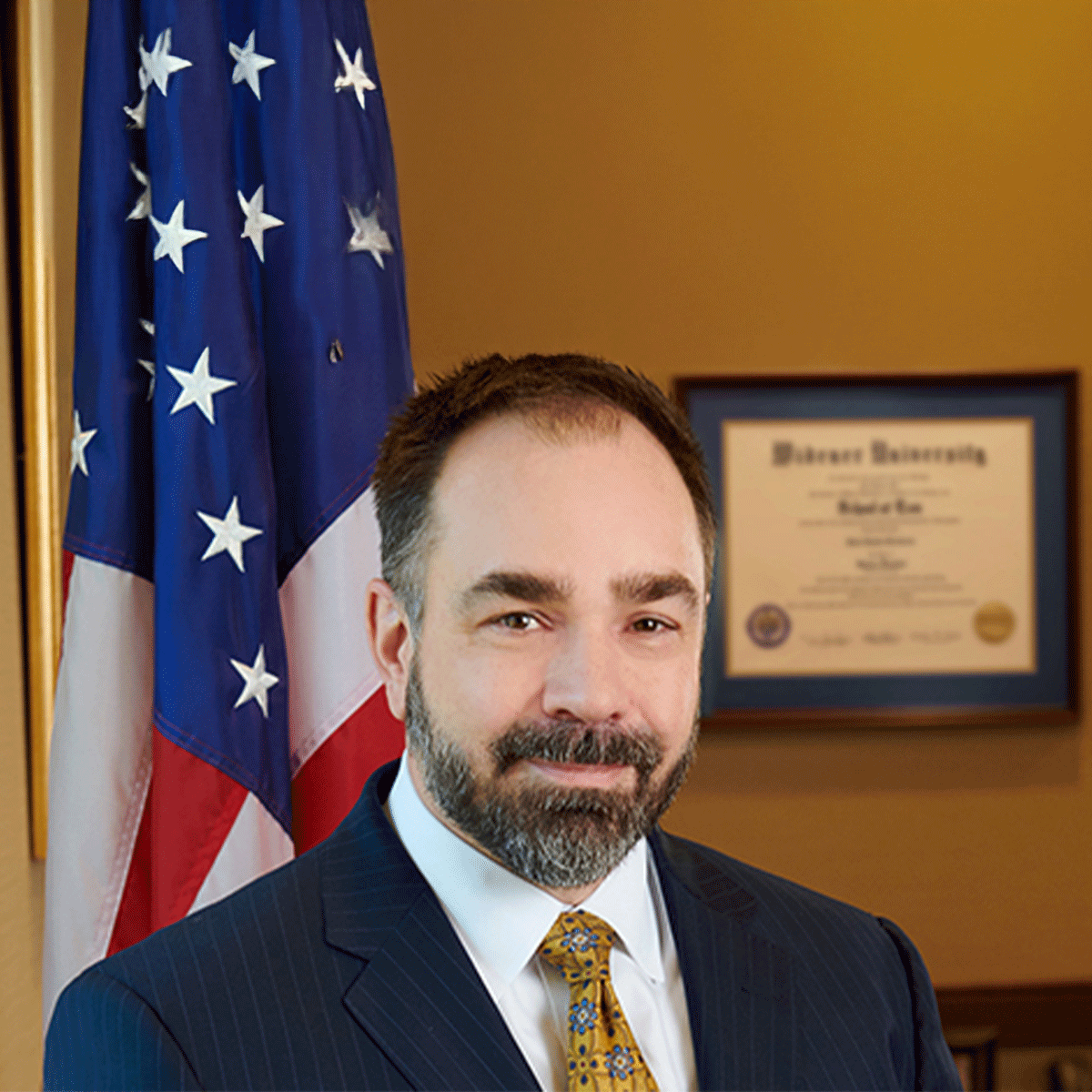



Exceeded Judicial Role