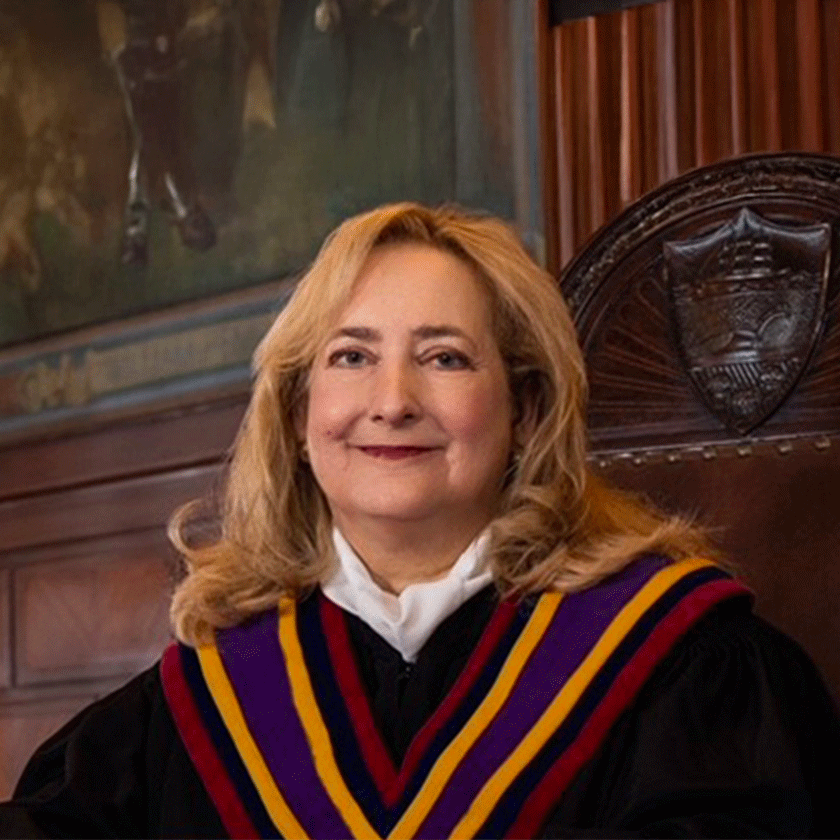
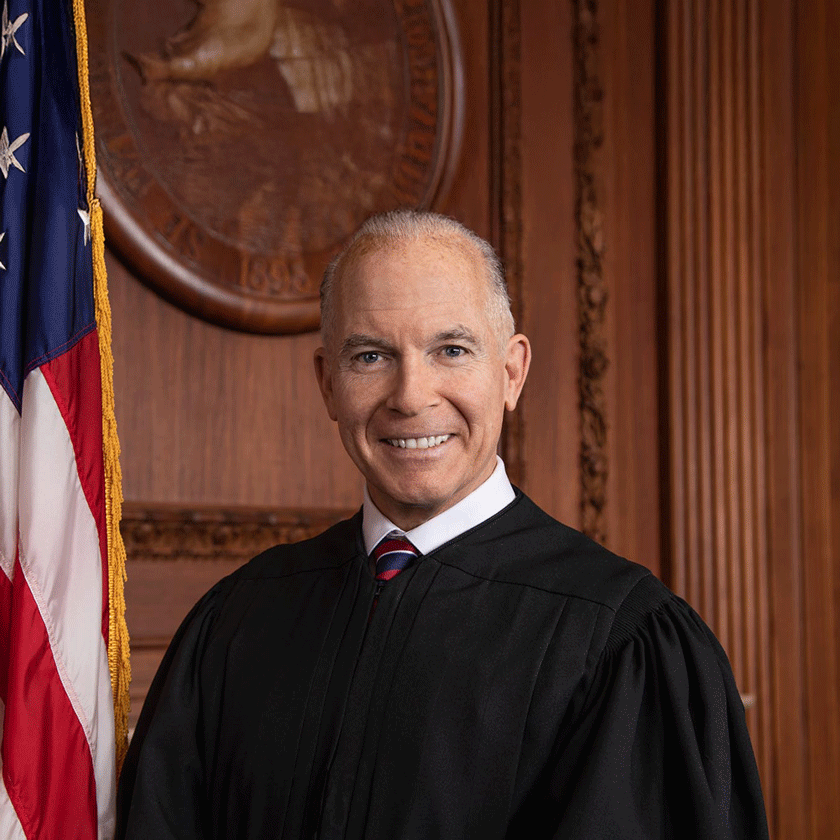
Genser v. Butler County Board of Elections [Provisional Ballots for Disqualified Mail-In Voters] (2024)
Summary:
This case involves the mail-in ballot provisions of the Election Code and the required procedure for defective mail-in ballots. The Pennsylvania Supreme Court determined that the Butler County Board of Elections—which had refused to count provisional ballots for voters who had already cast timely but defective mail-in ballots—had the obligation to count the provisional ballots and allow voters to “cure” the defect.
The Verdict:
The Pennsylvania Supreme Court substituted its own judgment for that of the General Assembly’s on the assumption that the General Assembly’s choice of words would produce absurd results. Even if the General Assembly had chosen an ineffective or inefficient manner of implementing no-excuse mail-in voting, the role of the courts is to fairly interpret the law as written. And when the law is clear and unambiguous, there is no need for courts to assess the desirability of following the law.
Background:
Faith Genser and Frank Matis, Butler County voters, cast mail-in ballots without enclosing their ballots in a secrecy envelope. The Butler County Board of Elections mistakenly sent these voters a notice informing them that they could cast a provisional ballot on Election Day, so each voter cast a provisional ballot. However, Butler County refused to count the provisional ballots because mail-in ballots had already been received from these voters, albeit in a manner that rendered them defective.
Justice Donohue, writing for the majority, found that the Election Code should not be read so as to prohibit counting provisional ballots when a defective mail-in ballot could not be counted. In support, she reasoned that the statutory language would produce absurd—even unconstitutional—results if read to “disenfranchise” voters who had not properly packaged their mail-in ballot. The majority’s interpretation, she wrote, avoids such results.
Justice Brobson, joined by Justices Wecht and Mundy, believed that the correct result would have been to interpret the Election Code as written and treat its plain language as a conscious policy decision of the General Assembly. He quoted the relevant statutory language at length and argued that it was not absurd, especially given the time and resource limitations at the local level, to prohibit mail-in voters from also casting provisional ballots. Justice Mundy wrote separately to emphasize that the U.S. Constitution requires state legislatures—not courts—to make these policy decisions.
In response to the dissenters, Justice Dougherty wrote a concurring opinion to state his belief that the majority was effectuating the apparent intent of the General Assembly, not usurping its authority.
Opinions:
Majority Opinion (Hon. Christine Donohue, joined by Chief Justice Debra Todd with the Hon. Kevin M. Dougherty and Hon. Daniel D. McCaffery)
Concurring Opinion (Justice Dougherty)
Dissenting Opinion (Hon. Sallie Updyke Mundy)
Dissenting Opinion (Hon. P. Kevin Brobson, joined by the Hon. David N. Wecht with Justice Mundy)
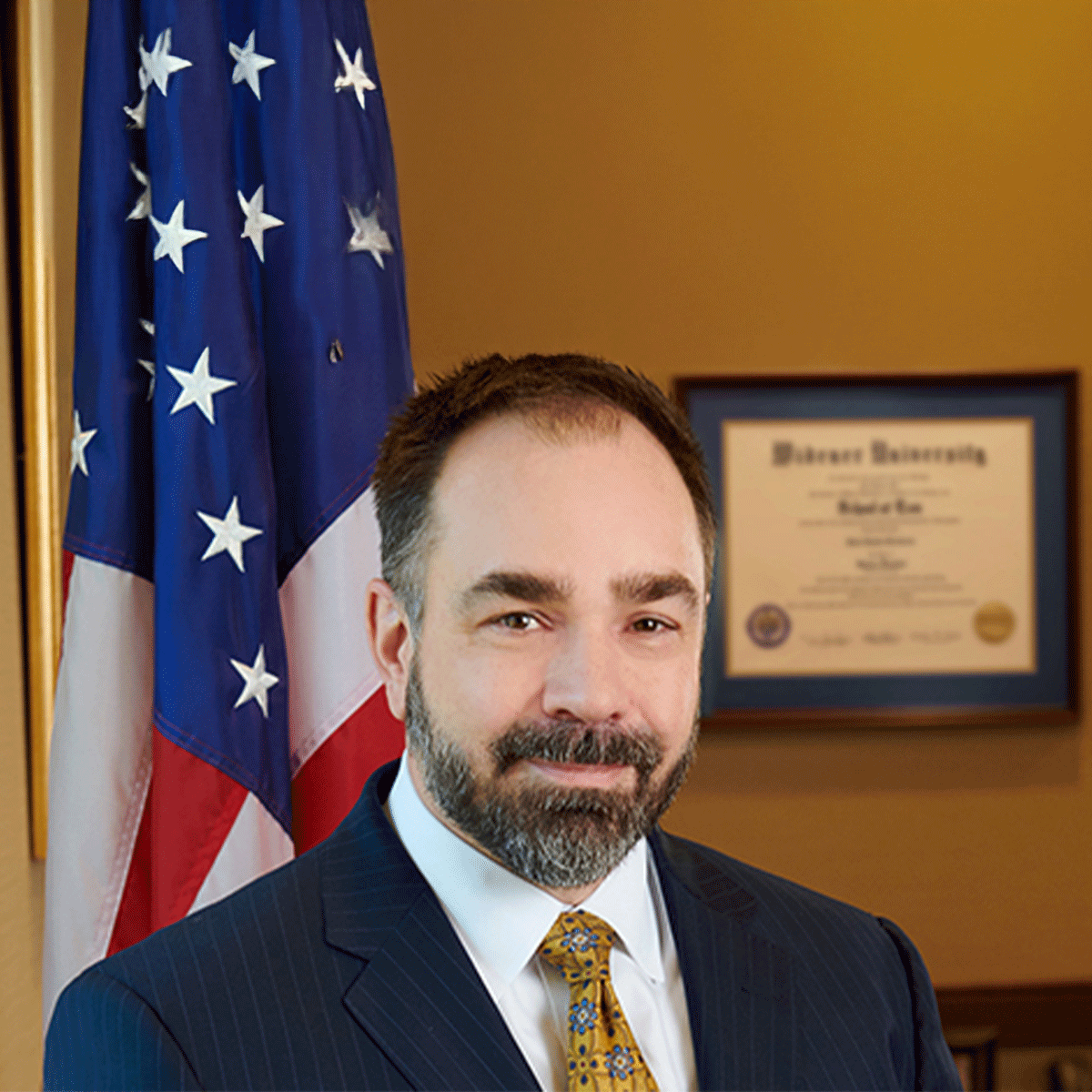
Respected Judicial Role
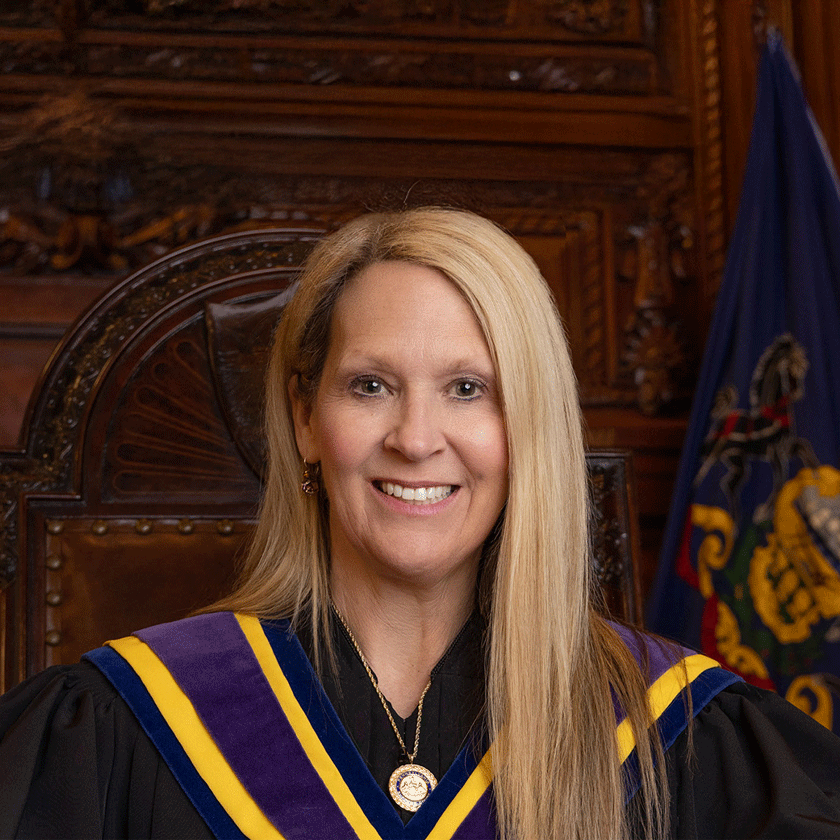

Exceeded Judicial Role