Ladd v. Real Estate Commission (2020)
Summary:
The Pennsylvania Supreme Court’s majority—Justices Dougherty, Baer, Todd, and Donohue alongside Chief Justice Saylor—concluded that Pennsylvania’s real estate broker licensing requirements unduly restricted one’s state constitutional right to pursue a chosen profession. There was no rational basis for requiring the plaintiff—a short-term vacation property manager—to obtain a real estate salesperson license and broker license or to maintain a brick-and-mortar office in Pennsylvania.
The Verdict:
Ladd represents a genuine split in judicial philosophy when it comes to interpreting state constitutional provisions. Striking down duly enacted occupational licensing laws may appear to be judicial overreach; indeed, the Court’s mention of “substantive due process” suggests that it is fabricating law to reach a preferred policy outcome. However, the Pennsylvania Constitution offers greater protections than the U.S. Constitution and even encompasses the right to pursue a chosen occupation, meaning that Ladd’s substantive due process claims were unnecessary. Striking down onerous state laws under the deferential “rational basis” standard is entirely consistent with a “balls and strikes” judicial philosophy.
Background:
The plaintiff, Sara Ladd, was an independent contractor who marketed her clients’ vacation homes online using services like Airbnb and VRBO to find short-term renters. However, in 2017, Pennsylvania’s Bureau of Occupational and Professional Affairs notified Ladd of a report against her for “unlicensed practice of real estate.” Based on the likelihood of incurring statutory penalties, Ladd shut her business down and filed suit.
The Pennsylvania Supreme Court’s majority held that Pennsylvania’s real estate licensing regime did not have a “real and substantial relation” to the policy objective of protecting buyers and sellers of real estate. They noted that real estate brokers must sit for an exam only after obtaining a high school diploma, three years of experience as a licensed real estate salesperson, and 315 hours of coursework, less than half of which were relevant to her work. The brick-and-mortar office requirement, meanwhile, meant significant overhead for Ladd without any relation to the policy objective.
Justice Wecht, in dissent, accused the majority of overreach in questioning the wisdom of the General Assembly. He and Justice Mundy, dissenting separately, argued that Ladd’s choice to practice her profession in a more limited fashion than what the General Assembly anticipated did not exempt her from occupational licensing requirements.
Opinions:
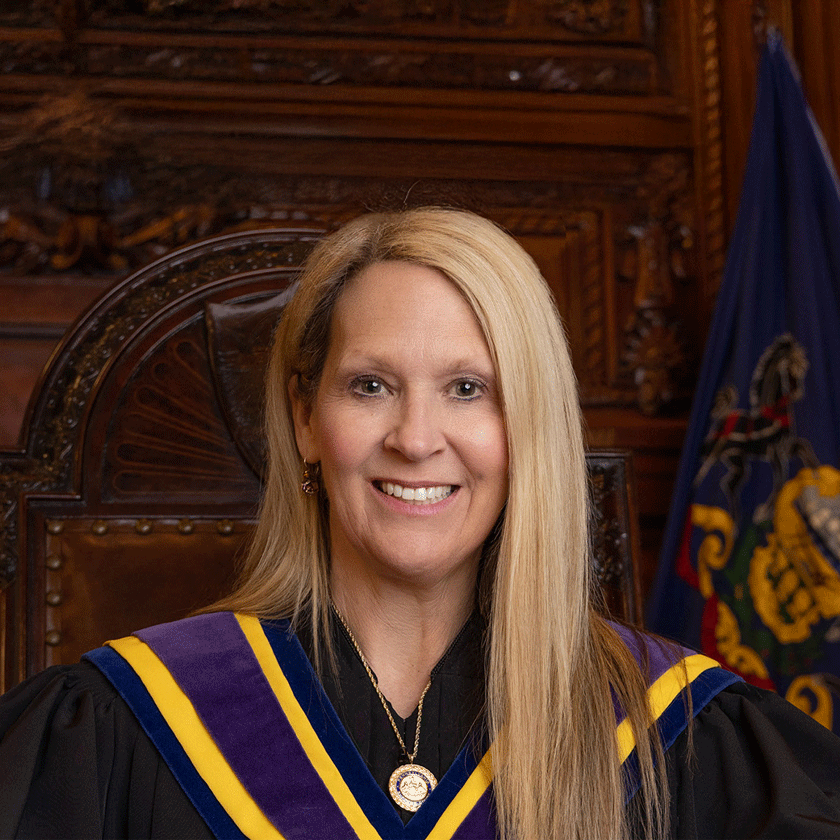
Majority Opinion (Hon. Kevin M. Dougherty, joined by Chief Justice Thomas G. Saylor with the Hon. Max Baer, Hon. Debra Todd, and Hon. Christine Donohue)
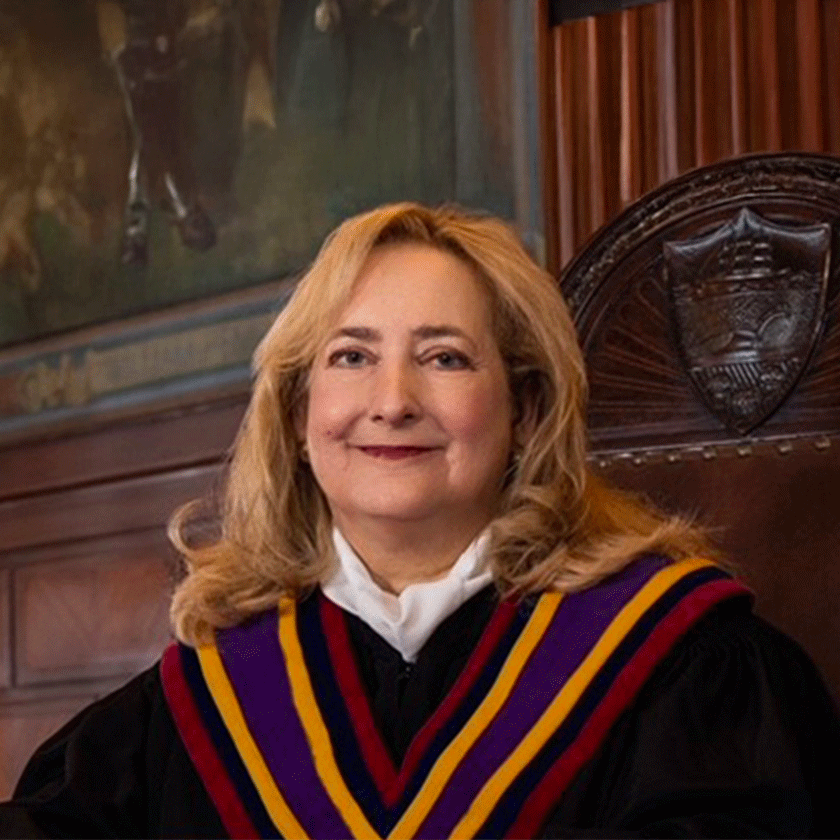
Dissenting Opinion (Hon. David N. Wecht)
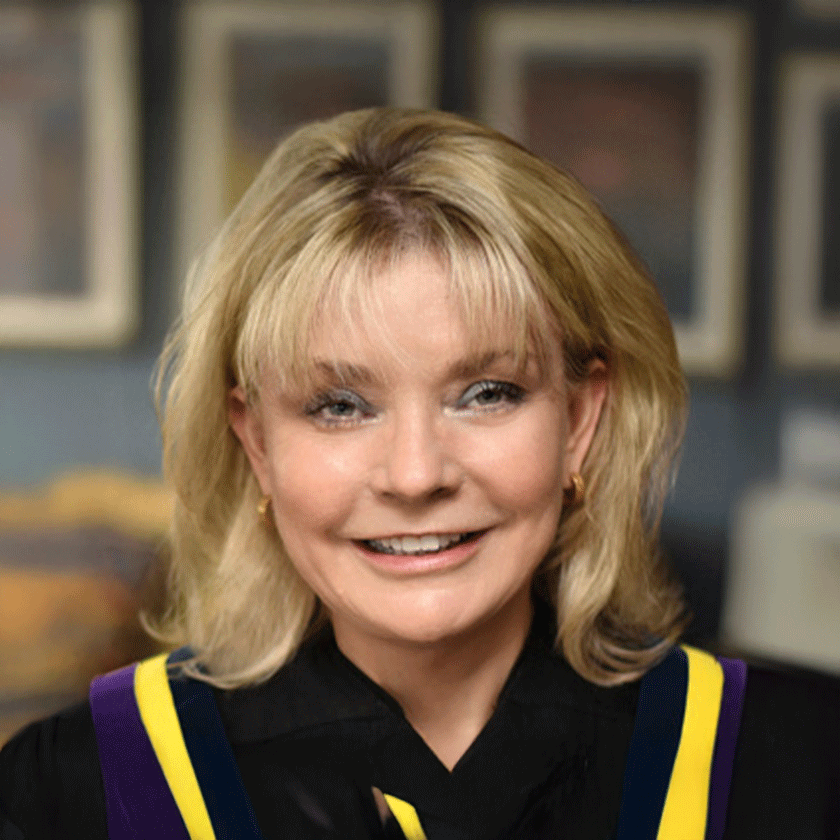
Dissenting Opinion (Hon. Sallie Updyke Mundy)
Respected Judicial Role

Exceeded Judicial Role