Fact Sheet
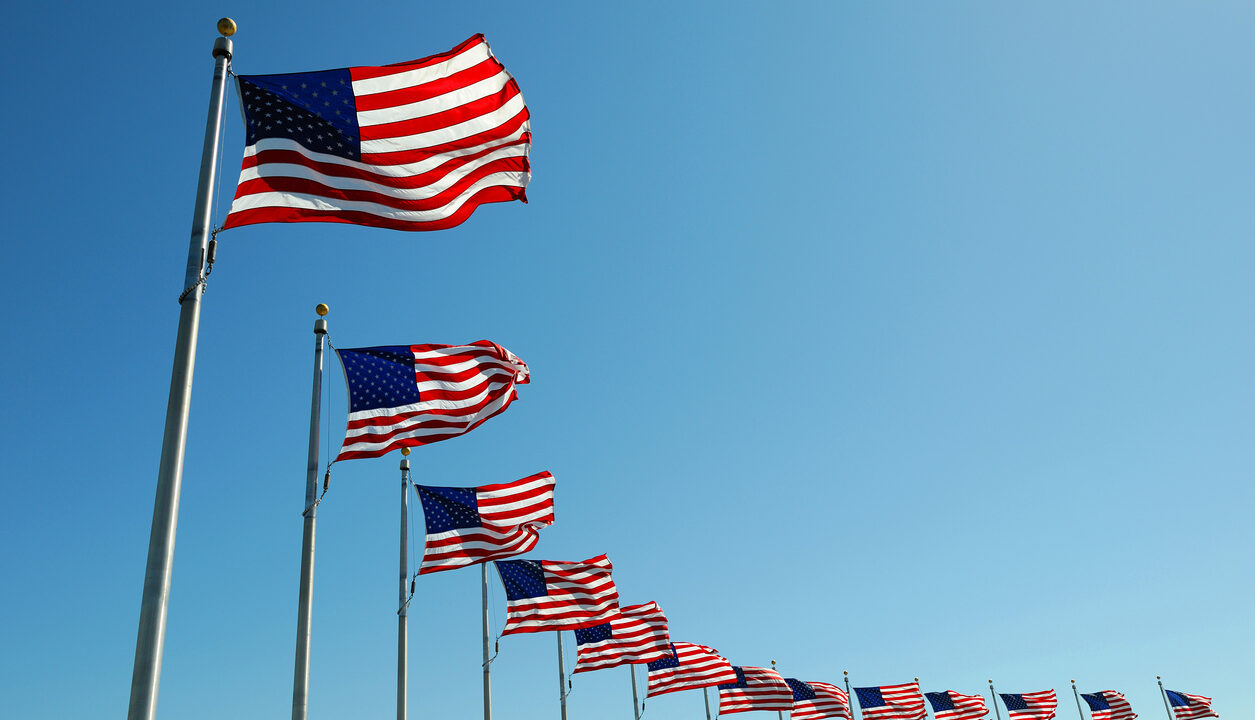
Civics Education for America’s 250th Birthday
Summary
- The 250th anniversary of America’s founding provides an opportunity for parents, teachers, and students to focus on the core values and principles that shaped our nation.
- Civics education is essential; it fosters an informed electorate that understands America’s founding and the responsibility of citizenship.
- Pennsylvania law requires students in public, private, and home schools to receive instruction in civics, U.S. and Pennsylvania history, and the principles of government.
- This fact sheet provides resources to help educators meet curricular requirements. Each resource focuses on the values of freedom and liberty in the United States, while promoting a deeper understanding and appreciation for the rights and responsibilities of citizenship.
Civics Education in Pennsylvania
The Pennsylvania Public School Code of 1949 outlines the requirements for civic education for Pennsylvania students.
- Act 35, enacted in 2018, requires evaluating public school students––including those attending charter and cyber charter schools––on civic knowledge at least once in grades 7–12, assessment of U.S. history, government, and civics, including the nature, purpose, principles, and structure of our constitutional democracy, operations and documents of the U.S. government, and rights and responsibilities of citizenship.
- The Act 35 Civics Toolkit, compiled by the Pennsylvania Department of Education (PDE), provides curriculum resource assistance in assessment development, which both satisfies Act 35 requirements and “aligns with State Academic Standards for Civics and Government, Economics, Geography, and History.”
- School entities may use the U.S. Citizenship and Immigration Services Test to satisfy the requirements.
- Section 1327 of the Pennsylvania Public School Code requires civics instruction for students attending private schools and home education students.
- Private schools must teach civics at both the elementary and secondary levels.
- The law requires home education students, in grades 9–12, to take social studies for at least three out of four years during high school. Civics is a required subject for both elementary and secondary students choosing home education.
Civics: An American Value in Jeopardy
- The National Assessment of Education Progress (NAEP) reports that just 22 percent of eighth graders are proficient in civics, highlighting the need for civics education.
- Likewise, a 2025 July 4 survey conducted by the Cato Institute found that most Americans (53 percent) do not know why the American colonies adopted the Declaration of Independence to separate from the British crown on July 4, 1776! Only 47 percent, with the highest-scoring groups over the age of 55, knew the answer was “high taxes and lack of representation.”
- Meanwhile, a 2024 report by the Hoover Institute notes that while Pennsylvania mandates civics assessments for students, it “does not require students to pass.”
Resources For Parents and Teachers
- American Civil Liberty Quiz: A free educational program to test students’ knowledge of civil liberties against that of the average American.
Target audience: middle and high school students. - Ashbrook Center: An independent academic center dedicated to strengthening “constitutional self-government.” Programs—including its “daylong and multi-day seminars at no charge for teachers”—discuss and focus on primary source documents for participants to “discover America’s story and principles for themselves.”
Target audience: teachers, high school students, plus some college-level courses. - Becket Religious Freedom Index: This index on the First Amendment, now in its seventh edition, provides an analysis of American attitudes towards religious liberty and focuses on the protection of all religions and expressions of faith; a top-notch tool for generating discussion on how diverse beliefs intersect with the public square.
Target audience: high school students. - Bill of Rights Institute: A nonprofit educational organization that provides lesson plans designed to build constitutional literacy and civic participation.
Target audience: middle and high school students. - Sphere America’s 250th Collection: Sphere, an initiative of the Cato Institute, has developed a collection that integrates civic study across multiple disciplines to evaluate the founding principles of the Declaration of Independence. The emphasis on civil discourse helps students analyze how principles apply to modern society.
Target audience: high school students. - Founding Forward: This nonprofit and leader in immersive civics education provides comprehensive educational resources to inform and engage citizens through immersive programs, teacher training, and public learning experiences focused on history and the founding principles of the United States.
Target audience: teachers and middle and high school students. - The Grateful Nation Project: This nonprofit, through its Teacher’s Guide, shares “Hero Cards” to tell the personal stories of those who have served and sacrificed for the United States. The guide prompts teachers to use the personal biographies in a way that makes history tangible and fosters a sense of gratitude and remembrance.
Target audience: elementary and middle school students. - Jack Miller Center: A network to advance and revive America’s founding principles and “ignite a renaissance of civic purpose and awareness” by mobilizing a diverse civics coalition of scholars, K–12 educators, and civic education leaders nationwide.
Target audience: teachers of middle and high school students. - Little Patriots: Dr. Ben Carson created this free educational program via the American Cornerstone Institute that provides engaging online lessons, cartoons, and activities to teach young Americans history and civic pride, helping them to understand our nation’s founding.
Target audience: elementary school students. - PragerU Kids: As part of its mission to promote American values, PragerU developed History in 5,providing short-form, engaging five-minute videos that explain ideas that shaped the United States.
Target audience: elementary and middle school students.
Summary
- Pennsylvania law requires civics education for all students. A plethora of resources are available to parents, teachers, and students to engage with civic education as citizens across Pennsylvania and the United States celebrate the nation’s 250th birthday.