Press Release
New Poll: Voters Demand Affordable Energy, More Educational Options, and Lower Taxes
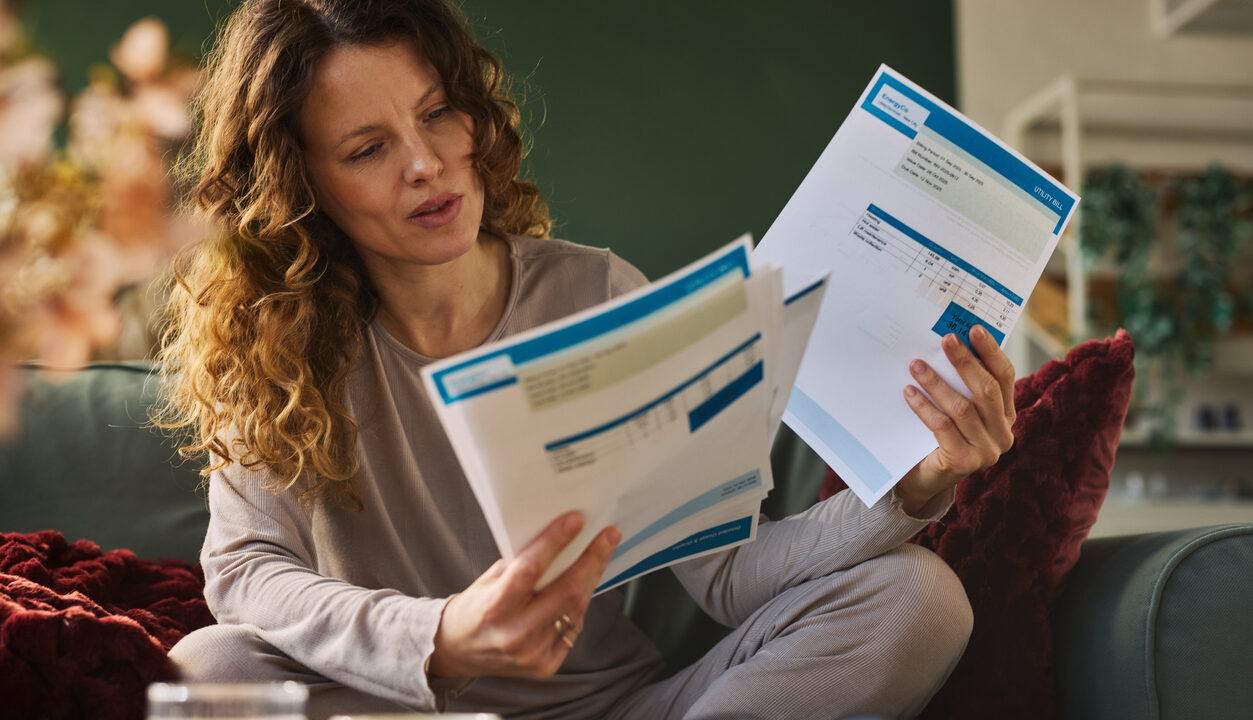
Affordability is top of mind for Pennsylvanians, with 58 percent of voters naming either rising prices and inflation or the economy and jobs as the single most important issue for the governor and General Assembly to address.
The Commonwealth Foundation will host a media call on October 14th at 10 a.m. to break down the full poll results. You can RSVP here.
Harrisburg, Pa., October 7, 2026—Pennsylvanians support a free-market policy agenda to deliver affordable energy, lower taxes, and educational options, according to the Commonwealth Foundation’s latest polling.
- Fifty-eight percent of voters say Pennsylvania is headed in the wrong direction.
- Voters are also confronting problems in their everyday lives: 61 percent grade Pennsylvania’s K–12 public school system with a C or lower, while 61 percent say energy in the commonwealth is unaffordable.
- Ninety-one percent say reducing the tax burden on Pennsylvania families is important.
The poll accompanies the Better Pennsylvania Agenda, a 25-point bipartisan policy plan focused on one primary goal: creating the most prosperous commonwealth possible.
These include commonsense reforms to make energy more reliable and affordable, lower taxes, cut regulations, and provide educational options for all Pennsylvania students.
The polling shows overwhelming support across Pennsylvania and all subgroups for the Better Pennsylvania agenda.
- Overall, 85 percent of respondents believe state government should “promote policies that encourage Pennsylvanians to become less dependent on the government.”
- Additionally, 69 percent of voters said they would be more likely to vote for a candidate who supported these reforms.
Elizabeth Stelle, vice president of policy for the Commonwealth Foundation, issued the following statement in response:
“Pennsylvanians are struggling to keep up with rising electricity bills, higher taxes, and red tape that makes daily life more expensive.”
“The Better Pennsylvania plan provides a clear roadmap, allowing lawmakers to focus on the policies that will propel our state, and our people, forward. The agenda puts forth state policies with overwhelming, bipartisan support that will empower Pennsylvanians in their homes, schools, and businesses.”
“We cannot continue settling for mediocrity. Better Pennsylvania’s 25 policy reforms will restore the freedom of every Pennsylvanian to pursue meaningful work, drive innovation, build lasting prosperity, and achieve their American Dream.”
Erik Telford, chief public affairs officer for the Commonwealth Foundation, added:
“As Pennsylvania enters a contentious election cycle, kitchen-table issues are absolutely on the ballot. Voters desire simple reforms from legislators to make their lives better: lower taxes, affordable, reliable energy, and expanded educational options through programs like the new federal scholarship tax credit.”
The policies outlined in this agenda draw broad support among Democrat, Republican, and independent voters. A list of policy proposals from the Better Pennsylvania Agenda follows below, along with the total voter support for each policy.
| Policy Proposals | Total Support |
| EXCELLENT EDUCATION FOR ALL | |
| (EXPAND TAX CREDIT SCHOLARSHIPS) Expanding tax credit scholarships, which allow businesses to donate money to nonprofit organizations that provide scholarships to low-income and middle-income children in Pennsylvania to attend pre-kindergarten or K-12 private school. | 89% |
| (LIFELINE SCHOLARSHIPS) Creating education opportunity accounts, a government-funded account that parents can use for restricted educational expenses, including tuition, tutoring, and services for students with special needs. | 85% |
| (REFUNDABLE TAX CREDITS) Providing a refundable income tax credit that gives money to families to spend on the direct needs of their child, including private tuition, online education programs, tutoring, curriculum, and therapies. Low-income families would be eligible for up front relief. | 83% |
| (STUDENT BASED FUNDING FORMULA) Reforming education funding so money follows the child. Current funding relies on a policy guaranteeing that school districts receive the same state funding year-to-year, regardless of enrollment fluctuations. Under this reform, state funding would be based on the number of students each school serves. | 78% |
| (OPEN ENROLLMENT) Enacting open enrollment policies to allow Pennsylvania families to choose any public school that best fits their children’s needs, regardless of home address. | 78% |
| UNLEASH A MORE PROSPEROUS PENNSYLVANIA | |
| (REDUCE REGULATORY RED TAPE) Requiring the state legislature to vote to approve any new state regulation that would cost businesses and consumers more than $1 million. Pennsylvania currently imposes more than 160,000 regulations on businesses and individuals. | 78% |
| (TAXPAYER PROTECTION ACT) Adopting a Taxpayer Protection Act to ensure Pennsylvania’s state spending is responsibly managed in line with the rate of inflation and population growth. | 93% |
| (PRIORITIZE TAX RELIEF) Redirecting the nearly $2 billion a year Pennsylvania spends on subsidies to selected companies, and using that money to speed up the scheduled reduction in the Corporate Net Income Tax, a tax on business profits. Today those subsidies go to companies chosen by state officials, while every other business in Pennsylvania pays the full rate. | 76% |
| (PERSONAL TAX RATE) Lowering Pennsylvania’s Personal Income Tax, the state tax paid on wages and other income, from 3.07% back to 2.8%, the rate Pennsylvanians paid before it was raised in 2004. | 89% |
| SOLUTIONS FOR RELIABLE AND AFFORDABLE ENERGY | |
| (REPEAL HIDDEN ENERGY TAXES) Rejecting taxpayer subsidies like the Alternative Energy Portfolio Standards, which cost Pennsylvania ratepayers $700 million a year and reduce the reliability of the electric grid. | 76% |
| (BUILD RELIABLE POWER) Reforming state regulations to speed approval of new power plants, rejecting new taxes on energy production, and reforming litigation rules, to attract more reliable power and drive down the cost of electricity. | 79% |
| (RATEPAYER PROTECTION) Allowing large energy users such as factories and data centers to supply their own energy free of mandates for green energy, and requiring new large users to pay for the transmission and distribution upgrades they require, instead of passing those costs to other customers. | 77% |
| (ELIMINATE THE ELECTRICITY TAX) Eliminating Pennsylvania’s gross receipts tax on electricity, a state tax of about $51 per person annually, built into the price of electricity, to lower energy costs for households and businesses and make Pennsylvania more competitive. | 86% |
| PROTECT THE DIGNITY OF WORK | |
| (IMPLEMENT WORK REQUIREMENTS) Requiring healthy adults (excluding seniors, individuals with disabilities, and those with young children) who receive welfare benefits to work, seek work or job training, or volunteer in their communities to continue receiving benefits. | 77% |
| (REGULAR WELFARE ELIGIBILITY VERIFICATION) Ensuring that healthy adults are eligible for Medicaid by verifying income, residency and household composition twice a year. Require the Auditor General to conduct regular Medicaid eligibility audits and provider performance audits to stop wasteful spending. | 77% |
| (END PREVAILING WAGE AND PROJECT LABOR AGREEMENT MANDATES) Ending prevailing wage and project labor agreement mandates. These rules require higher wages and often union-only labor on government construction, which raises the cost of roads, schools and public buildings. | 70% |
| (EXPAND SCOPE OF PRACTICE) Allowing certified nurse practitioners in Pennsylvania to work without the supervision of a doctor to increase access to health care. | 63% |
| (REMOVE BUREAUCRATIC BARRIERS TO EMPLOYMENT) Reducing outdated Pennsylvania licensing restrictions that prevent Pennsylvanian’s from getting a job. | 84% |
| MAKE GOVERNMENT MORE ACCOUNTABLE AND TRANSPARENT | |
| (DEFINED CONTRIBUTION PENSION PLANS) Enrolling all newly hired government employees into a 401(k) style retirement plan, similar to what most employees in the private sector receive, instead of a guaranteed pension for life, to create predictable and affordable retirement benefits. | 81% |
| (PRIVATIZE LIQUOR AND WINE SALES) Removing government control of the sale and distribution of wine and liquor by selling all state-run liquor stores, and allowing private retail stores and wholesalers to sell alcohol.* | 74% |
| (MODERNIZE ELECTION LAW) Modernizing Pennsylvania election laws to include voter identification. | 75% |
| (CRIMINAL JUSTICE REFORM FOR SAFER COMMUNITIES) Reforming Pennsylvania’s correction system to remove existing barriers to job training, housing and transportation for low-risk offenders and preserve more resources to high-risk offenders. | 79% |
| RESTORE PUBLIC SECTOR WORKERS’ RIGHTS | |
| (PAYCHECK PROTECTION) Stopping the use of taxpayer-funded public payroll systems to collect campaign contributions and other funds that government union leaders use for political purposes. | 87% |
| (WORKERS’ CHOICE) Requiring regular elections where government employees vote on their union representation. Regular elections would make government unions answerable to the workers they represent. | 93% |
| (NOTIFICATION OF EMPLOYEE RIGHTS) Requiring state and local governments to notify all employees of their legal rights to join or not join a union. Under a 2018 Supreme Court decision, government employees cannot be required to join a union or pay union fees. | 90% |
| (FREEDOM TO RESIGN) Allowing government union members the right to end their union membership at any time. Today, members can only resign during a 15-day window at the end of a union contract, which often runs several years. | 84% |
The poll surveyed 800 Pennsylvania voters from Sept. 25 to Oct. 1. You can find the results here and crosstabs here.
The Commonwealth Foundation will host a media call on October 14th at 10 a.m. to break down the full poll results. You can RSVP here.