Stay Informed
"*" indicates required fields
Blog
School Choice Supporters Urge Shapiro to Act as Demand for Scholarships Surges
The Commonwealth Foundation joined other school choice advocates to testify before a state legislative committee, urging lawmakers to advance school choice in Pennsylvania.
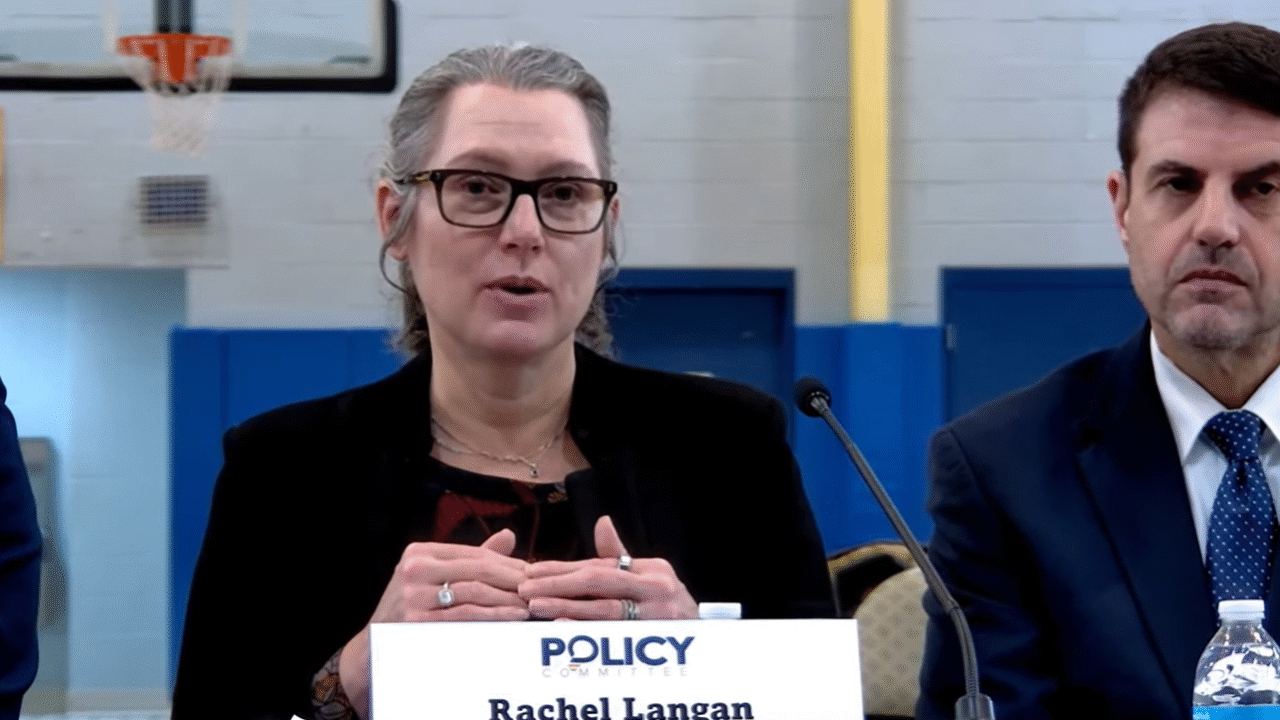
The event, hosted by state Rep. Martina White at Saint Anselm School in northeast Philadelphia, featured the Pennsylvania House Republican Policy Committee, chaired by Rep. David Rowe.
The committee’s discussion focused on the state’s existing tax-credit scholarship programs: the Educational Improvement Tax Credit (EITC) and Opportunity Scholarship Tax Credit (OSTC). The panel also discussed the new Federal Scholarship Tax Credit (FSTC) program, which was enacted in 2025 as part of the “One Big, Beautiful Bill Act.”
Stephen Bloom, the foundation’s vice president and a former state lawmaker, shared how Pennsylvania has delivered educational opportunities throughout the commonwealth.
“Pennsylvania has been and remains a leader in educational choice,” Bloom said, noting that more than 101,000 students benefited from EITC and OSTC.
Bloom then presented data showing how the demand for these scholarships has outpaced supply. Due to program caps, the commonwealth has turned away tens of thousands of eligible students.
“There’s no reason to cap these programs,” Bloom said.
He described the gap between families seeking scholarships and those able to receive them as “a tragic tale.”
The federal program, the panelists argued, could help bridge that gap. Taxpayers can receive a dollar-for-dollar credit of up to $1,700 for donations to scholarship organizations, creating an uncapped funding stream for tuition assistance, tutoring, and other educational services.
The new federal program would complement—not replace—existing state programs. All the panelists urged Gov. Josh Shapiro to opt into the FSTC.
Dr. Patrick Graff, a senior fellow with the American Federation for Children, noted that the federal credit would benefit not only private school students but also public school students.
“This will benefit all kids in the state,” Graff said. “It’s not just our private school students.”
Rachel Langan, senior education policy analyst, also dismissed the concern that these scholarships benefit the wealthy.
“That’s not the goal of this program,” Langan said. “The goal is to make it universal school choice.”
Keisha Jordan, president and CEO of the Children’s Scholarship Fund Philadelphia (CSFP), described how scholarships have propelled the low-income students she works with.
“For CSFP scholars, a scholarship is the way to economic and social success,” Jordan said, noting that 95 percent of recipients attend high schools of choice and 72 percent enroll in college.
Lawmakers and panelists called on Governor Shapiro to act before the 2026 deadline, urging Pennsylvania to continue its progress.
“Let’s keep winning and being an aspirational national model for other states,” Bloom concluded. “There is room to grow.”
Topics on this page
Connect With Us
Email Sign Up
"*" indicates required fields