Analyzing Key Pa. Supreme Court Decisions
“There is hardly any political question in the United States that
sooner or later does not turn into a judicial question.”
– Alexis de Tocqueville
Democracy in America (1835)
INTRODUCTION
After nearly 200 years, court actions confirm, time and again, Alexis de Tocqueville’s concerns about the pressure on judges to resolve important social and political problems. Moreover, the public recognizes these shortcomings. According to Gallup’s annual Confidence in Institutions survey, the percentage of respondents who said they trust the U.S. Supreme Court a “great deal” or “quite a lot” has dropped 23 points since 2020, to a near all-time low of 27 percent in 2025.
Pennsylvania’s Supreme Court is under similar pressure. Since 2020, total appeals have risen from 142 to 218 (a 53.5 percent increase), and the 143 discretionary appeals granted by sitting justices are at their highest number since at least 2018. It is imperative that Pennsylvania’s Supreme Court justices observe their constitutional duties, resist the temptation to act beyond the scope of their role as judges, and resolve judicial questions fairly, without reference to politics.
This is an ongoing project, with future case analyses added as the Pennsylvania Supreme Court issues key decisions.
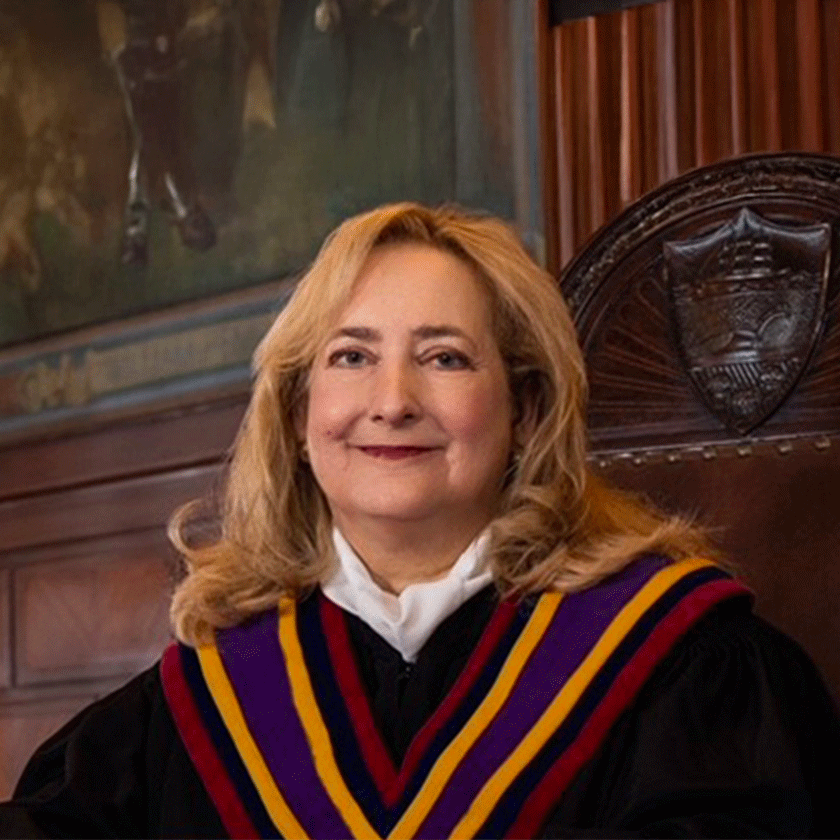
Eligible For Retention: December 2027
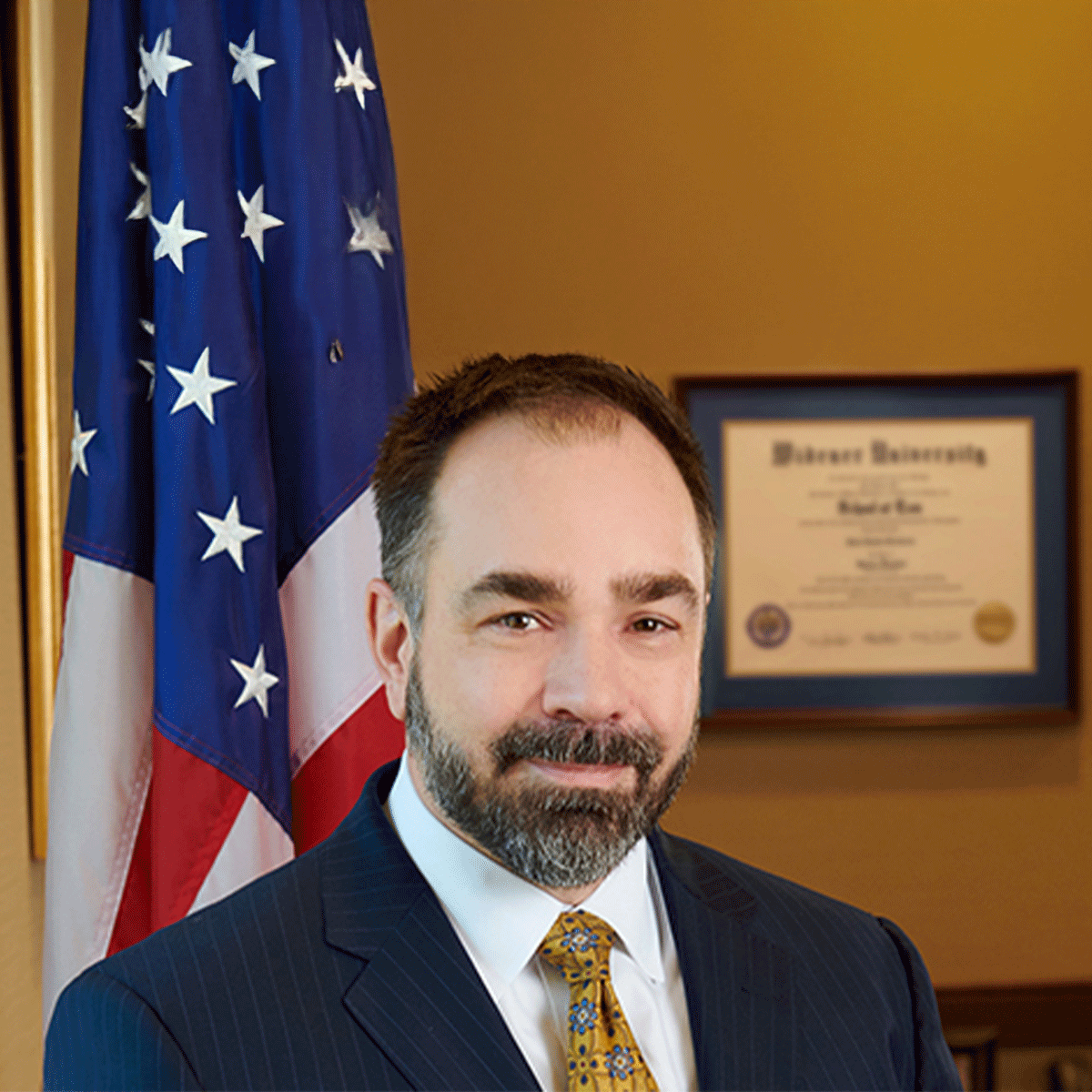


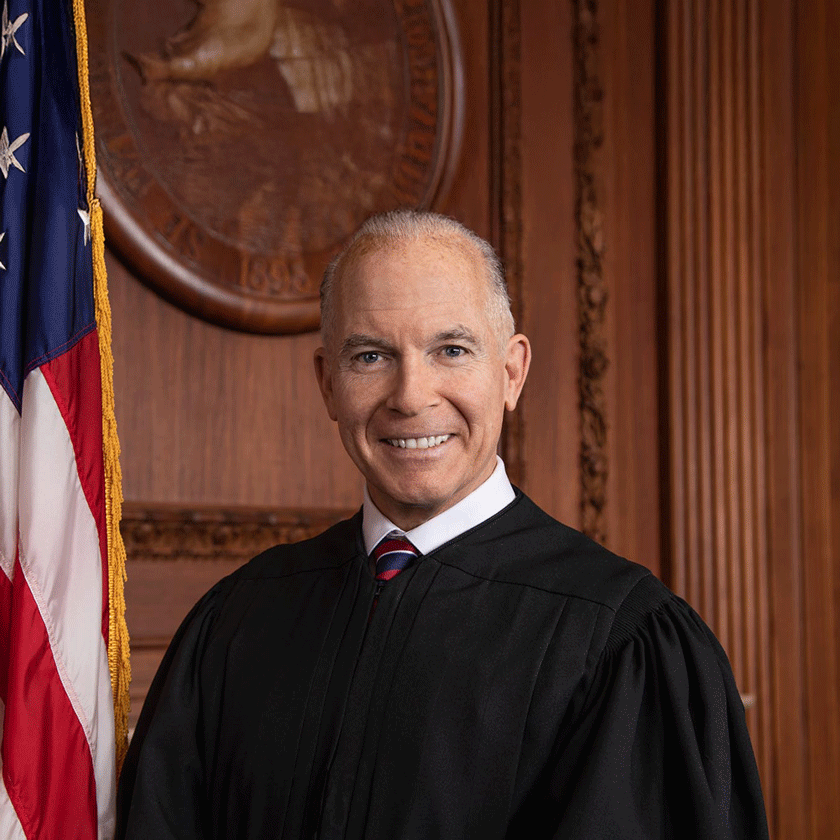
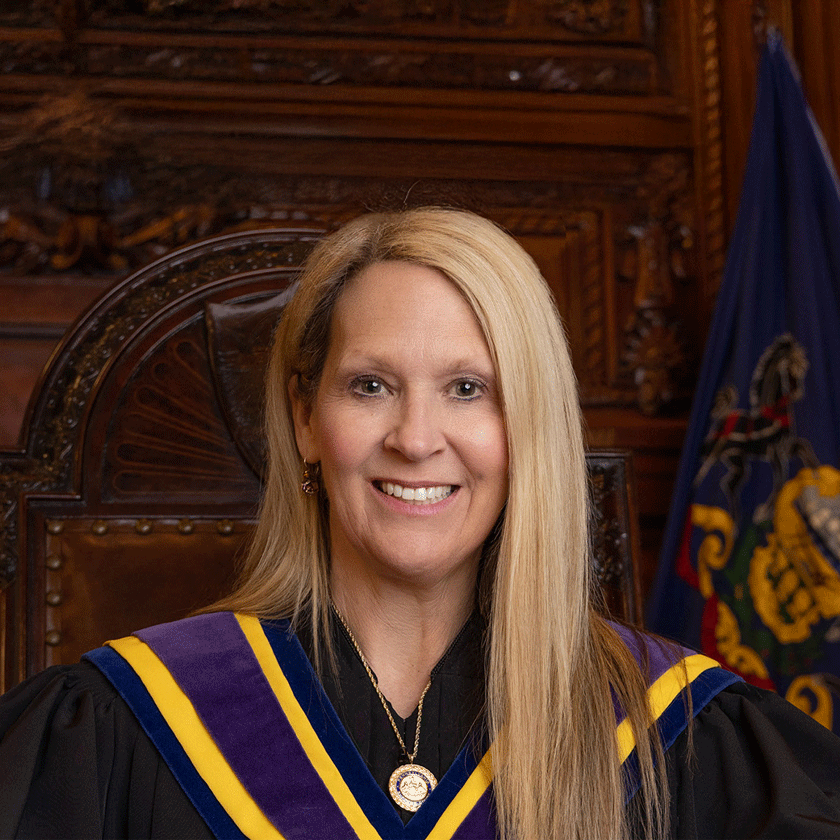

results: did Pennsylvania supreme court justices respect their judicial role?
Cases
The Pennsylvania Supreme Court justices held that the Parkland School District (“District”) did not violate Pennsylvania’s Sunshine Act when it approved a collective bargaining agreement that was not included in the District’s pre-meeting agenda notice.
The Pennsylvania Supreme Court allowed several nonprofit environmental groups to intervene in litigation over Pennsylvania’s participation in the Regional Greenhouse Gas Initiative (“RGGI”).
A plurality of Pennsylvania Supreme Court justices sided with abortion providers, who claimed that the Pennsylvania Constitution required public funding of elective abortions, on the basis that ending public funding for abortion treats women differently from men in violation of the Equal Rights Amendment. Justices Todd and Mundy were the only justices to conclude that the Pennsylvania Constitution did not require public funding of elective abortions.
This case involves the mail-in ballot provisions of the Election Code and the procedure required when a mail-in ballot turns out to be defective.
The Pennsylvania Supreme Court allowed several nonprofit environmental groups to intervene in litigation over Pennsylvania’s participation in the Regional Greenhouse Gas Initiative (“RGGI”).
The Pennsylvania Supreme Court’s majority insisted on judicial standards that effectively increase potential liability for manufacturers, while the dissen would have permitted manufacturers to better defend themselves against frivolous lawsuits.
After Governor Wolf vetoed the General Assembly’s congressional redistricting plan based on the 2020 Census, the Pennsylvania Supreme Court assumed jurisdiction over a case.
The Pennsylvania Supreme Court’s majority determined that the General Assembly could not terminate Governor Tom Wolf’s COVID-related emergency proclamation.
The Pennsylvania Supreme Court’s majority interpreted the Election Code so as to allow for mail-in ballot collection sites and unmanned “drop boxes.”
The Pennsylvania Supreme Court’s majority held that Pennsylvania courts could exercise jurisdiction over a New Jersey company facing injury claims from an Indiana resident for an injury that occurred in Indiana, even though the company was not domiciled in Pennsylvania and did not do business in Pennsylvania.
The Pennsylvania Supreme Court’s majority concluded that Pennsylvania’s real estate broker licensing requirements unduly restricted one’s state constitutional right to pursue a chosen profession.
The Pennsylvania Supreme Court’s majority adopted a test for distinguishing employees from independent contractors that requires an independent contractor to have an independently established trade or business, effectively compelling them to have multiple clients or actively seek additional clients.
The Pennsylvania Supreme Court unanimously held that a residential zoning ordinance restricting homes to use by a “family,” defined as “a single housekeeping unit,” prohibited homes from being used exclusively as short-term rentals.
The Pennsylvania Supreme Court’s majority concluded that the General Assembly’s 2011 congressional redistricting plan “clearly, plainly and palpably violate[d]” the Free and Equal Elections Clause of the Pennsylvania Constitution.
The Pennsylvania Supreme Court’s majority held that Governor Tom Wolf’s executive order allowing a union to represent homecare workers in negotiations with the Commonwealth was not an unconstitutional exercise of gubernatorial authority.
William Penn School District v. Pennsylvania Department of Education (2017) [School Funding Lawsuit]
The Pennsylvania Supreme Court’s majority held that Pennsylvania courts must evaluate claims that Pennsylvania’s method of school funding was unconstitutional.